


Clean beauty has grown rapidly over the past decade as consumers move away from traditional, aluminum-heavy antiperspirants. But for many personal care brands, it’s less of a simple product swap and more of a challenging formulation puzzle.
Successfully launching a high-performing product requires bridging the massive gap between consumer expectations and the realities of physical formulation. To do this, it’s helpful to work with a partner that understands the science behind a deodorant base, the function of the ingredients, and the stringent considerations required when scaling production.
As a foremost deodorant manufacturer, producing millions of deodorant sticks annually, sold domestically and abroad, we’re here to explain what’s behind a proven formulation and how we can make your brand more competitive on the shelf and in the home.
The Bottom Line: Formulating an effective and stable deodorant is tricky, but with the right manufacturing partner, you can scale a formulation that reduces odor without eliminating important bacteria or blocking sweat ducts.
Natural and Clean: Getting to the Root of These Terms
In the personal care industry, terms like natural and clean are often used interchangeably. However, while the Food & Drug Administration (FDA) doesn’t currently offer a standard legal definition for either term, it’s important for brands to understand the scientific and formulation realities behind these claims.
Natural Cosmetics: What Does That Mean?
In this context, “natural” refers to where the ingredient comes from. According to international standards, such as ISO 16128, natural cosmetic ingredients are obtained from plants, animals, microorganisms, or minerals through physical processes, fermentation, or other traditional preparation methods without intentional chemical modifications.
The reality is, ingredients in natural deodorants may actually be “naturally derived,” starting as raw natural materials and undergoing permitted green processes, such as microbial fermentation or filtration to become functional cosmetic ingredients.
Clean Beauty: What Does It Mean?
The concept of clean beauty is fundamentally about safety, non-toxicity, and ingredient transparency, regardless of whether an ingredient is natural or synthetic. Clean formulation specifically excludes materials scientifically linked to human health risks, endocrine disruption, or environmental harm.
The Science of the Deodorant Base
Unlike antiperspirants, which use FDA-regulated aluminum compounds to block sweat ducts, an aluminum-free deodorant is designed to neutralize odor when sweat interacts with skin bacteria. This fundamental shift completely alters the product’s structural requirements. Well-formulated deodorants allow ‘good’ bacteria to flourish, letting underarms breathe and, over time, reducing odor.
Stabilizing the Formulation
When considering how to make natural deodorant at an industrial scale, the primary challenge lies within the base. Clean and plant-based deodorant formulas typically rely on organic ingredients including tea tree oil, shea butter, coconut oil, arrowroot powder, and potentially baking soda.
What makes this base creation so tricky? Because natural ingredients grow outside, they’re prone to variations from season to season, which can affect processing parameters like melt points. Creating a base with a smooth application that doesn’t crumble, melt in a warm bathroom, or freeze in transit requires advanced formulation research and development. Lucky FP Labs has you covered.


Selecting Deodorant Ingredients
With the base stabilized, brands must then look at their deodorant odor-neutralizing ingredients. Typical combinations usually rely on two different categories:
- Odor Neutralizers. Magnesium, coconut oil, tea tree oil, and probiotics.
- Moisture Absorbers. Arrowroot powder, baking soda (which can be a problem-causer!)
The Baking Soda Dilemma
Baking soda, or sodium bicarbonate, is an incredibly effective odor neutralizer that creates an alkaline environment that inhibits the bacteria responsible for body odor while also absorbing moisture reasonably well. It delivers results that few other ingredients can match.
However, its high alkaline pH (around 8-9) severely contrasts with the skin’s natural acidic mantle (pH of around 5). Healthy skin maintains its slightly acidic pH to support beneficial bacteria and protect against pathogens. If the baking soda concentration in the base is too high and applied to the delicate underarm skin day after day, this pH mismatch can disrupt the skin, leading to redness, itching, rashes, and general irritation
This creates a formulation paradox: the most effective ingredient for odor control is the one most likely to cause customer complaints and returns. Some brands try to address this by reducing the baking soda concentration, but lower concentrations often reduce efficacy. Others add soothing ingredients like arrowroot powder or shea butter to buffer the alkaline effects, but this approach has limits. Finding the right balance requires extensive testing and reformulation, and even then, some consumers will still experience sensitivity.
Every ingredient choice involves trade-offs, and finding the combination that delivers both efficacy and gentleness requires deep expertise in cosmetic chemistry.
"At FP Labs, we produce more millions of deodorant sticks each year for brands. We’ve seen firsthand how the gap between consumer expectations and formulation reality can make or break a natural deodorant brand. Successfully bridging that gap is why working with an experienced manufacturing partner matters more here than almost anywhere else in personal care."
VP of R&D, Paul Marotta
Working With the Microbiome Instead of Against It
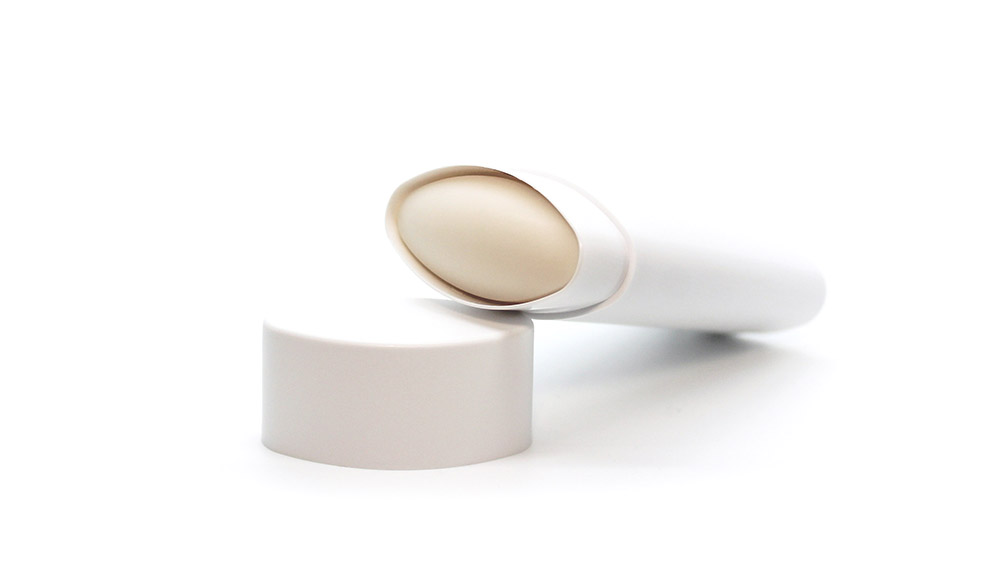
One of the most exciting developments in natural deodorant formulation involves working with the skin’s microbiome rather than simply trying to kill bacteria.
Traditional approaches to odor control focus on antimicrobial ingredients that eliminate odor-causing bacteria. The problem with this scorched-earth approach is that it also eliminates beneficial bacteria that help maintain skin health and can actually reduce body odor over time.
Newer formulation strategies recognize that the underarm microbiome is an ecosystem. By allowing beneficial bacteria to flourish while targeting only the strains responsible for unpleasant odors, you can achieve better long-term results with less irritation. Our Microbiome deodorant formula targets odor-producing microbes while supporting overall skin health.
A microbiome-focused formulation requires a sophisticated understanding of skin biology and bacterial interactions. You can’t simply add pre- or probiotics into a formula and call it microbiome-friendly. The ingredients need to work together to create a genuinely supportive environment for beneficial bacteria while still delivering the odor protection consumers expect. This level of formulation complexity is why it helps to partner with a manufacturer that’s invested in this research.
Manufacturing, Scaling, and Industry Restrictions
Partnering with top-tier deodorant manufacturers can also reduce the risk of critical scaling issues. Here are two considerations we think about whenever scaling a deo formulation:
The Blending, Filling, and Cooling Process
If experts do not properly calibrate the filling and cooling lines, dense powders (e.g., magnesium or baking soda) sink to the bottom of the stick. This can lead to inconsistent results or a gritty application.
We use advanced blending and filling equipment with tightly controlled cooling tunnels. This rapid, uniform cooling locks the suspension in place for an even distribution of the active ingredients throughout the whole stick.
Staining and Aesthetic Restrictions
A common complaint with traditional antiperspirants is fabric staining. While aluminum is well-known for causing yellow sweat stains, natural formulas heavily laden with untreated powders or slow-absorbing oils can leave stubborn white streaks or grease marks on clothes. We can help you cut down on dry-down time with solid, clear formulas that don’t transfer.
Scale Your Deodorant Line the Right Way
Natural deodorant formulation sits at the intersection of chemistry, skin biology, manufacturing science, and consumer expectations. Getting it right requires expertise across all of these domains. The brands that succeed in the long term are typically those that invest in proper formulation from the start, either by building internal R&D capabilities or by partnering with expert manufacturers.
FP Labs works with brands at every stage, from startups launching their first SKU to established companies. Whether you need a custom formulation, tech transfer, or stock formulas, our chemistry team can help you navigate the complexities of this category. The goal is always the same: creating a deodorant that actually works, feels great to use, and keeps consumers coming back.
Ready to bring a high-quality, stable, and effective product to market? Get in touch with our team! We can’t wait to learn about your project.
FAQs for Clean Deodorant
How do you handle clean labels and ingredient restrictions?
FP Labs is certified organic and FDA-regulated. We understand how to formulate within clean beauty constraints while still delivering effective products! Our quality assurance processes ensure that every batch meets both efficacy standards and ingredient specifications, so brands can confidently market their products as clean without worrying about formulation drift or contamination.
What is the "transition period problem" and why is it important for brands to invest in consumer education?
When consumers switch from an antiperspirant to a natural deodorant, their bodies require a 2-to-4 week adjustment period to flush out blocked pores and rebalance the underarm microbiome. During the switch, many people experience increased body odor and wetness because the body needs time to adjust after years of having sweat ducts blocked by aluminum. The underarm microbiome also shifts during this period, sometimes leading to a temporary worsening of odor before things stabilize.
From a formulation perspective, the transition period presents a challenge: the deodorant performs as expected only once the body has adjusted. If consumers give up during the first week because they smell worse than before, they’ll never discover that the product actually works!
Smart formulation can help minimize transition symptoms. Ingredients that support healthy bacterial balance can speed the adjustment process. Formulas that provide extra odor protection during the first few weeks of use can bridge the gap until the body stabilizes. But this requires anticipating the consumer journey and formulating specifically to address it, not just creating a product that works under ideal conditions.
There’s also a question of setting expectations with your consumers! Many promising brands have failed not because their formulas were bad, but because they didn’t educate their consumers about this very normal adjustment period. Helping your customers understand this detox phase can help prevent premature product abandonment and negative reviews.